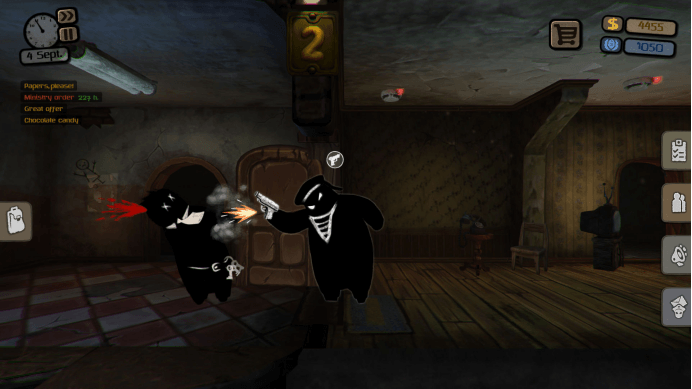
When I installed a hidden camera for the first time in _Beholder_ and watched the most private life of the tenants on the screen, my fingers paused on the mouse for a long time. As the administrator assigned to the apartment building, my duty was to serve the residents, but the real task given to me by the regime was to monitor, report and destroy the lives of these ordinary people.
The game opened on a gloomy morning. Carl Stein, who I played, moved into this apartment with his family, and the secret police gave me the first task: to install an eavesdropping device in Room 1. The tenant Fedoor is a factory worker who commutes to and from work on time every day. His only hobby is to drink some wine and read poetry at night. When I need to decide whether to report him for “possession of prohibited books”, the game gives two options: “performance of duties” or “protection of residents”. If you choose the former, you can get a bonus to pay for your son’s medical expenses, while the latter may put the whole family in danger.
The most painful choice takes place on a rainy night in late autumn. Artist Elena secretly painted in the attic, and the law stipulates that unofficial art is a crime. At the same time, my daughter needs the surgery fee, and the reporting bonus is just enough. When I broke in with the police, Elena was drawing a picture of birds. When she turned to look at me, there was no anger in her eyes, only deep disappointment. “I know you have no choice,” she said, “but art will never really die.”
The game depicts the totalitarian society in three parts. Neighbors will take the initiative to report and get rewards. Newspapers are full of propaganda, and even children’s essays should praise the leaders. The most ironic thing is that when I needed to search the old teacher’s room, I found that he was hiding only a photo with the students when he was young — in this country, even memories have become evidence.
As the plot progresses, I invented a unique rule of survival. Before the search, they will deliberately make a noise to remind the residents, use ambiguous wording when filling in the report, and even secretly return the confiscated personal belongings. But these small actions quickly aroused the suspicion of the secret police. One late night, I was summoned to the office, and the other party smiled and asked, “Mr. Stein, you seem to care about those pests?”
The most profound setting of the game is that “goodwill comes at a price”. When I helped the tenant forge documents to flee the country, my daughter was held hostage; when I warned that the tenant was about to be searched, my wife was going to face the threat of unemployment. On the rainy night of customs clearance, I successfully sent away all the residents, but lost my apartment forever. In the ending scene, Carl was reading the postcard of the old resident in the exotic cafe, and the subtitle emerged: “You saved everyone except yourself.”
If you also want to experience the difficulty of maintaining a conscience in the gap of the system, _Beholder_ will give you the most real torture. But please be prepared. This game will not give you the satisfaction of a hero, but will only make you understand that in the dark ages, what you need to be a good person is not courage, but almost cruel wisdom.